


ASEAN and China Expand Free Trade Agreement Amid U.S. Tariff Pressures
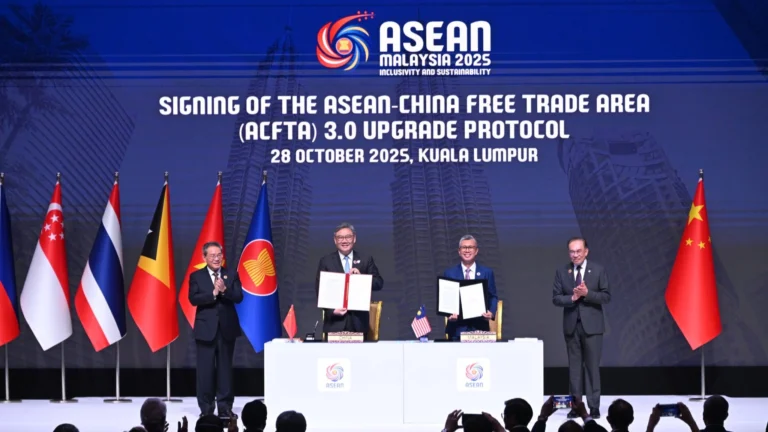
The ACFTA 3.0 marks a major step forward in ASEAN-China economic ties, reflecting a strong, shared commitment to deeper cooperation and regional prosperity. Photo: X/ @ASEAN
October 28, 2025 Hour: 1:18 am
The Association of Southeast Asian Nations (ASEAN) and China expanded their free trade agreement on Tuesday during the bloc’s summit in Kuala Lumpur, marking the culmination of a year of negotiations. The move comes as both sides look to diversify their economic ties and strengthen partnerships amid U.S. tariff pressures.
RELATED: China highlights the leading role of the Global South in global governance reform
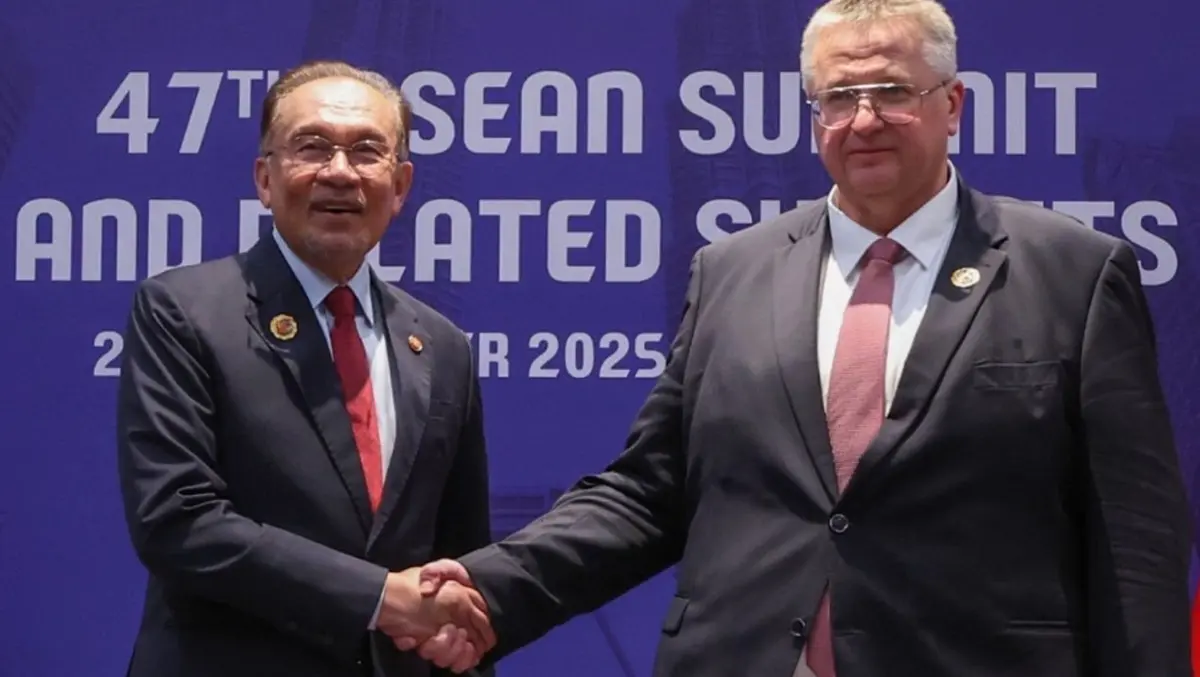
The new “3.0” version of the agreement, signed by Chinese Commerce Minister Wang Wentao and Malaysia’s Minister of Investment, Trade and Industry, Zafrul Aziz, introduces several improvements, including measures to streamline trade, expand access to services markets, and enhance cooperation in other key areas, according to an ASEAN statement.
The expanded pact aims to build “stronger and more resilient supply chains” and ensure that “markets remain open to trade and investment.”
Chinese Premier Li Qiang, who led Beijing’s delegation to the summit of regional and international leaders, attended the signing ceremony as a witness as China remains the bloc’s largest trading partner.
China’s exports to Southeast Asia have surged since the Trump administration began imposing tariffs. In September, Chinese exports to the region rose 14.7% year-on-year, according to data from China’s General Administration of Customs.
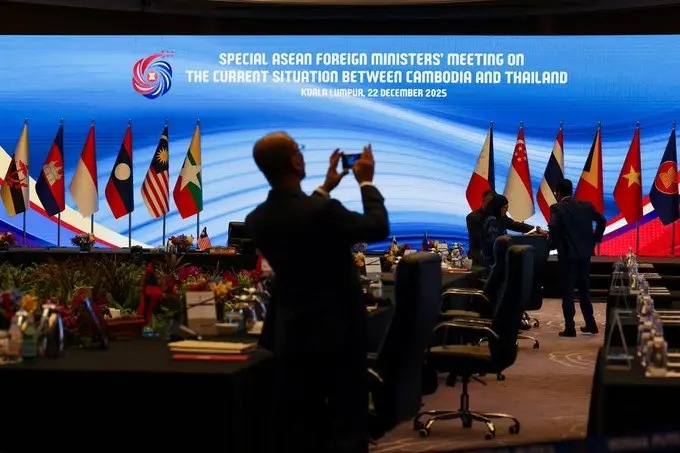
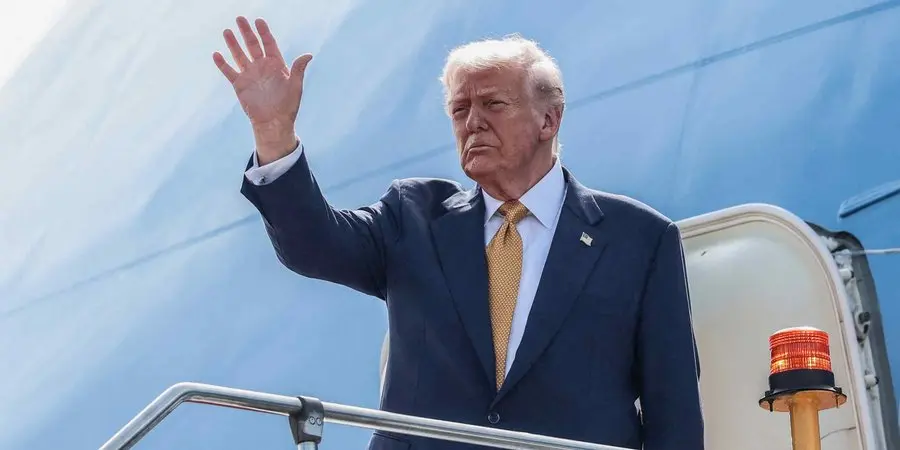
Beijing is expected to play a central role on the final day of the ASEAN summit and related meetings in Kuala Lumpur—just days after the United States took the spotlight with Trump’s participation—underscoring the ongoing geopolitical competition between the world’s two largest economies for influence in Southeast Asia.
China’s meetings with ASEAN, which includes Singapore, Malaysia, Vietnam, Indonesia, Thailand, the Philippines, Myanmar, Brunei, Laos, Cambodia, and, since Sunday, Timor-Leste, will be followed by discussions involving New Zealand and Australia.
Founded in 1967, ASEAN represents a combined GDP of $4.1 trillion—comparable to Japan or India—and a population of nearly 694 million people, according to the International Monetary Fund (IMF).
Author: vmmh
Source: EFE